There is something faintly surreal about Ojai. Tucked into a valley beneath the Topatopa Mountains, this progressive paradise has been attracting solace seekers of every sort since the 1920s. But over the past decade, a new wave of transplants have moved in, opening farm-to-table biker bars, small inns, and pop-up crafts fairs, cementing Ojai’s reputation as a nouveau hippie utopia.
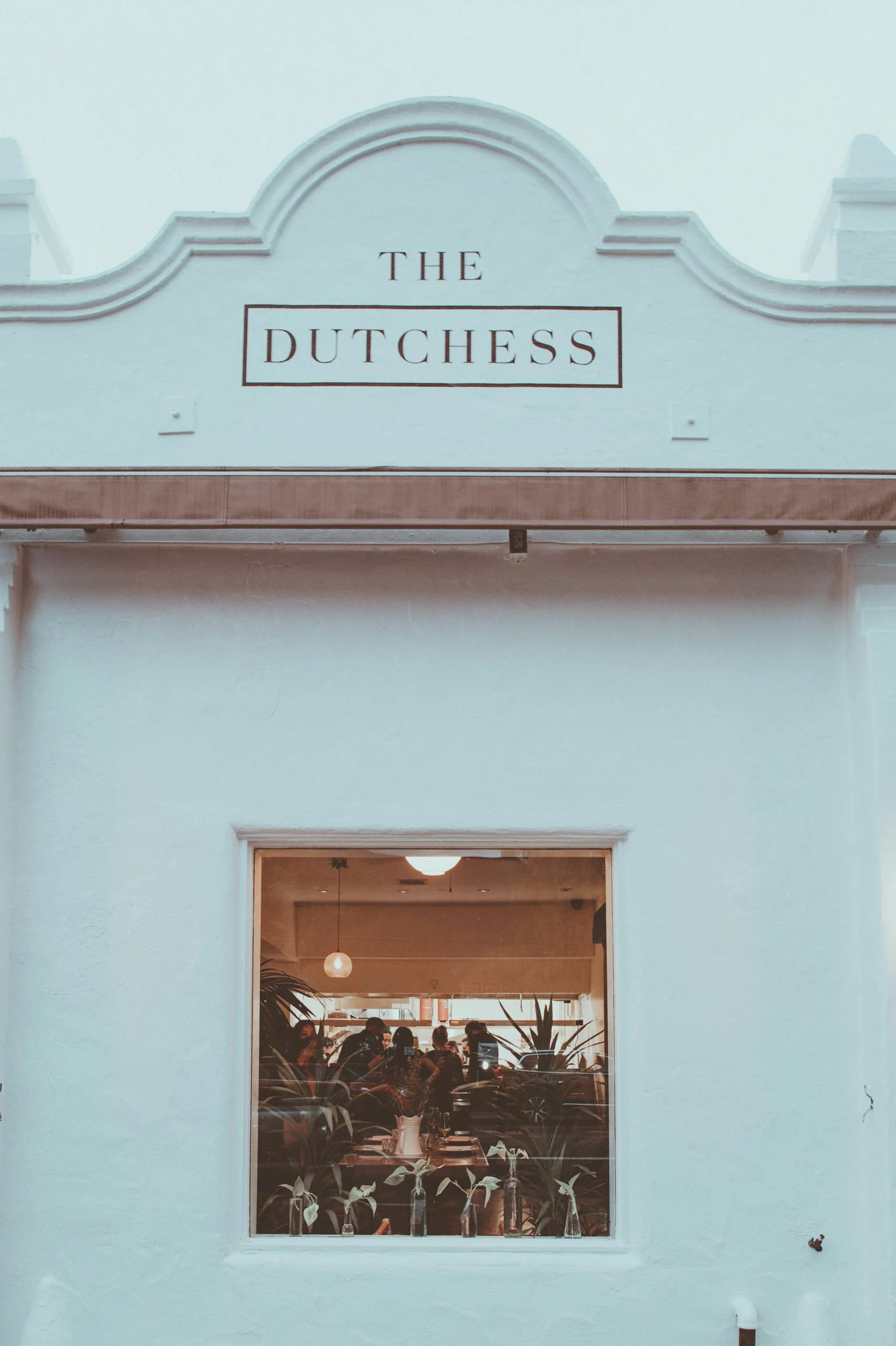
Spend a morning watching the clientele at The Dutchess, a delightful venue serving coffee and pastries, and a curious pattern emerges. Ojai appears to have attracted two distinct waves of affluent migration, with remarkably little of Gen X visible between them.
First come the young families, broadly in their late thirties and early forties. They look uncannily like the Venice and Silver Lake hipsters of yesteryear, only now equipped with children. The aesthetic has survived, matured and reproduced itself: oversized clothing, Crocs, analogue cameras, expensive casualwear and an almost studied indifference to conventional polish. The Pentax has replaced the messenger bag. The stroller has replaced the fixed-gear bicycle. The artisanal coffee habit, needless to say, remains intact.
Then there are the older couples, largely white Boomers, who seem equally at home browsing the galleries, acquiring art and enjoying the rewards of a California life well lived. They are not necessarily locals. They have the air of people who have arrived from elsewhere, bringing with them the means to purchase a little pastoral tranquillity.
Their men are particularly distinctive: lean, slightly disheveled, dressed in clothes that appear to have lost an argument with the washing machine. A certain progressive, outdoorsy California look. One might call it Democrat-thin.
What is conspicuous by its absence is the generation in between. Few obvious fiftysomethings. Perhaps they are still working, still paying mortgages, still supporting both children and aging parents, or simply too occupied with the financial realities of middle age to spend their mornings in Ojai.
The vehicles on the streets provide another clue. Vintage Grand Wagoneers and other 1980s-era SUVs circulate through the town, evoking an earlier California in which a large house, a family car and a comfortable weekend away seemed relatively ordinary aspirations. Today, those same vehicles have become lifestyle accessories, objects of nostalgia for an imagined period of American abundance. They are also prohibitively expensive to maintain.
An increasingly exclusive version of the good life is being enjoyed through the visual language of an era when that life seemed much more attainable. It is also hard to reconcile the apparent prosperity here with the present climate of Los Angeles. Hollywood has been shedding jobs, the entertainment industry is contracting, and the creative class that helped shape so much of contemporary Southern California is confronting an uncertain future. Yet Ojai gives little impression of being troubled by any of this. Its residents, one suspects, are insulated by property wealth, independent incomes, remote work or investments accumulated elsewhere. They have found a way to opt out of the more uncomfortable aspects of the contemporary economy.
Ojai feels less like a conventional small town than a carefully curated expression of affluent, progressive California. It is not Palm Springs. There is less polish, less overt luxury, less interest in performing wealth through immaculate mid-century interiors. Palm Springs wants you to know you have arrived. Ojai seems more interested in suggesting that you have always belonged.
Its appeal is cultural as much as geographical. You have to understand what the place represents: the mountains, the independent shops, the unhurried mornings, the slightly eccentric aesthetic, and the pleasure of being somewhere that feels removed from the machinery of Los Angeles without being entirely disconnected from its money.
The irony is that the town’s greatest luxury may be the ability to pretend that money is not really the point.