Summers in England were always a vibe.
At the time, it didn’t feel like it. Friends flew off to Spain or Portugal, returning bronzed and worldly, while we stayed stubbornly, defiantly English: Devon, Dorset—villages that sounded, even then, as if they belonged in storybooks.
We would drive for hours to the West Country, windows wound down by hand, the warm air thick with the scent of cut grass. The lanes narrowed the further we went, hedgerows rising like green walls, brushing the car as if trying to turn us back. And then, just when you thought the countryside had swallowed you whole, the sea would appear—glinting, impossible, a sheet of light beyond the fields.
I have a very specific memory of standing up through the sunroof—Dad driving, of course—while I Should Be So Lucky blared from the speakers. We all listened to the same music back then—tapes clicked and rewound, passed between us. Dad loved Kylie Minogue. Watching Top of the Pops on a Thursday evening—with sherry and a bowl of nuts—was a family ritual.
We stayed in stone cottages with thatched roofs and flint walls, as though they’d been lifted straight out of Miss Marple. One, “Quack Cottage,” sat beside a babbling brook. Days unfolded simply: scrambling up crumbling castle towers, a family dog panting at our heels, and always a shingle beach, a melting 99 ice cream in hand.
Lunches were ploughman’s in pub gardens, tables sticky with spilt cider, wasps circling with quiet menace. Frazzles. Cream teas followed—clotted cream and jam in careful balance, also under siege from wasps. Supper, inevitably, was scampi.
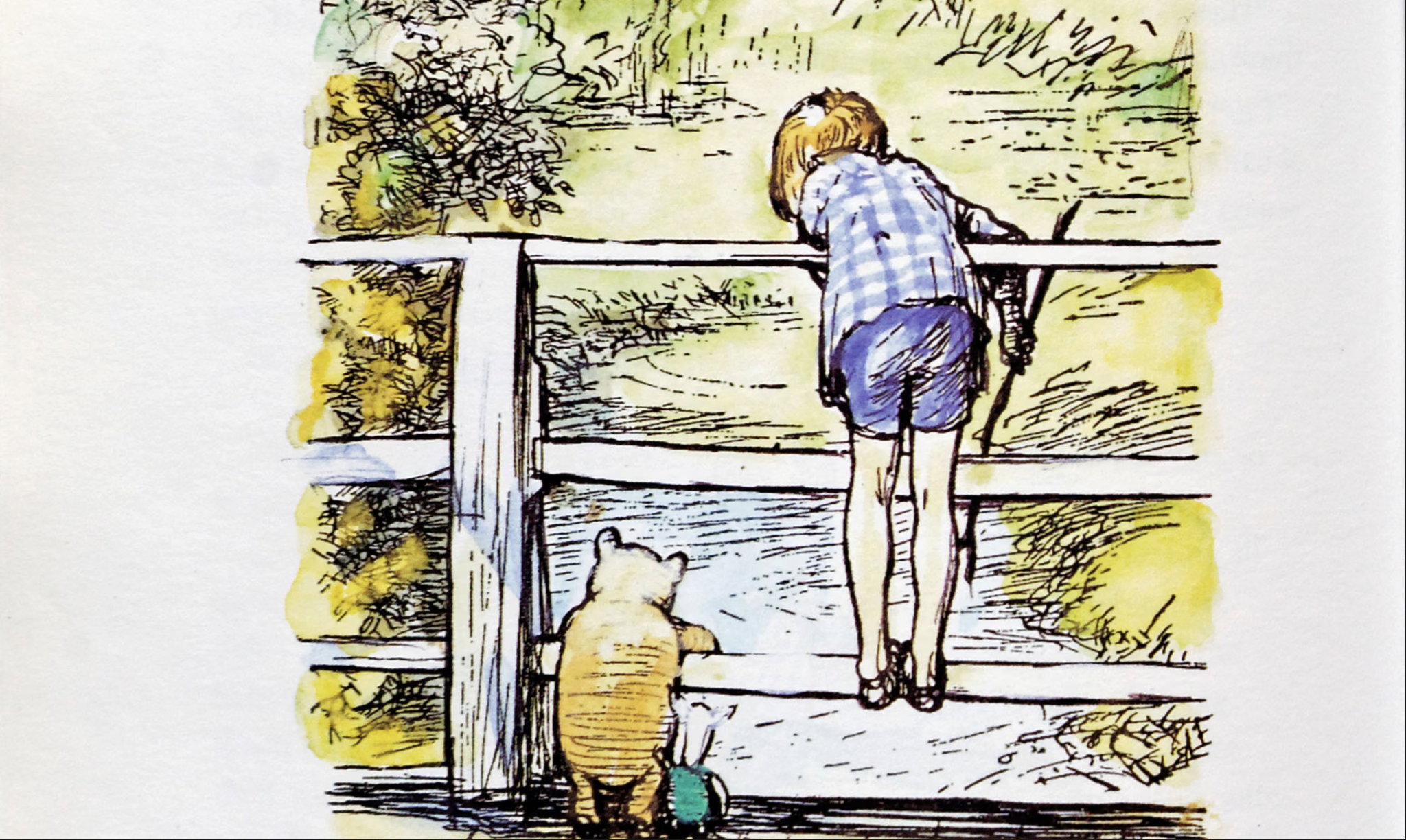
Back home, we spent lazy afternoons in Ashdown Forest—the landscape that inspired Winnie-the-Pooh. A.A. Milne lived on the edge of the forest and drew on walks with his young son, Christopher Robin. For us, it was simply another familiar corner of the countryside where we grew up.
Going out still felt affordable then. There was the Spotted Dog, or a Friday-night treat from the Golden Palace—prawn crackers and crispy duck after the cinema. And for special occasions, Beefeater, where sophistication meant a chilled glass of Asti Spumante.
But more often, we stayed in. An Indian takeaway and Viennetta. We’d sit together watching The Two Ronnies or The Dame Edna Experience, plates piled high with chicken biryani and poppadoms, the room hazy with Dad’s pipe smoke, laughing at the same jokes. Outside, blackbirds filled the air with song while the lawn lay immaculately mown, striped in straight lines by Dad.