As the United States approaches its 250th anniversary, it’s worth remembering how much of what we think of as “American” has deeper roots in England. The founders didn’t invent society from scratch; they carried with them legal traditions, systems of governance, educational models, and cultural habits shaped over centuries, and adapted them to a new world.
One of the most intriguing — and often overlooked — of these inheritances is the idea of sport: not games in the broad, ancient sense, but organized, rule-bound competition as a social institution.
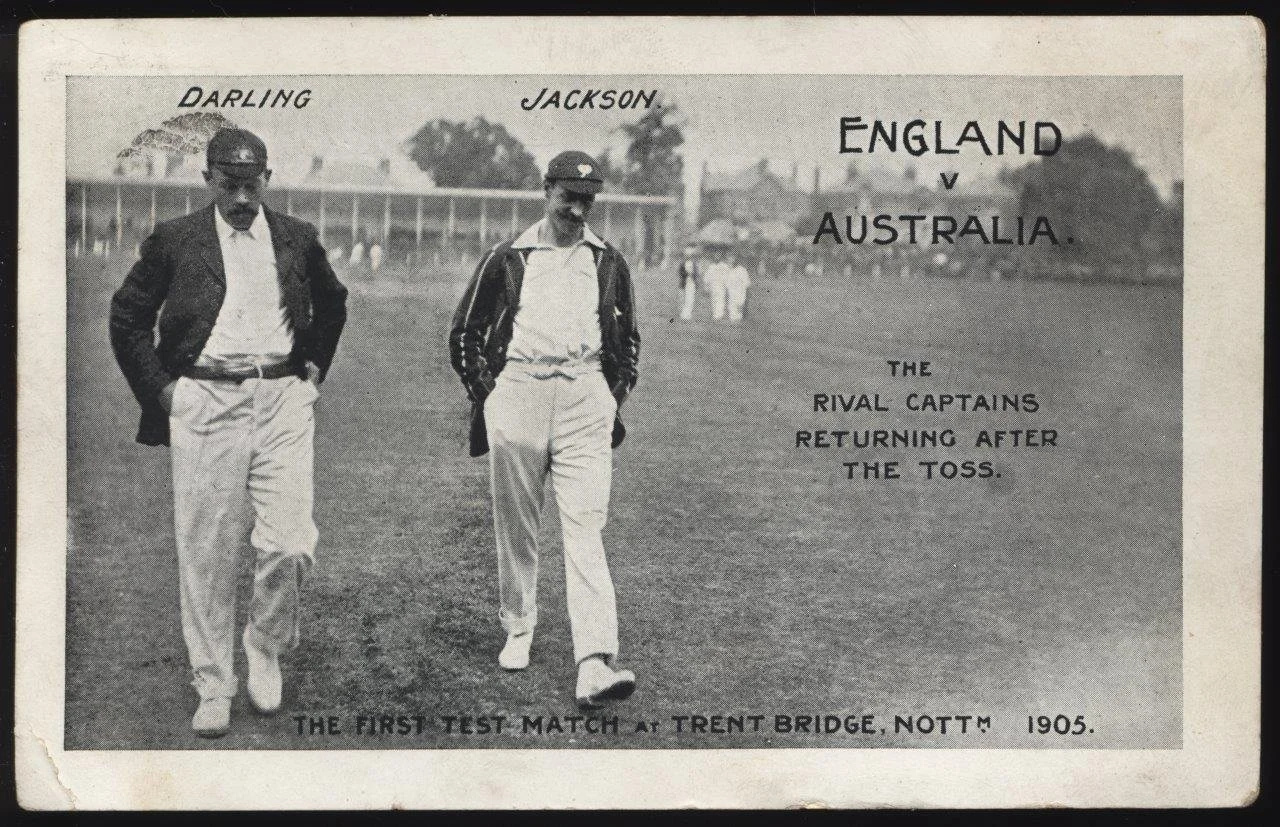
Forms of athletic competition existed in places like Ancient Greece and Ancient Rome, but England played a decisive role in shaping what we now recognize as modern sport: games governed by standardized rules, played by teams, and embedded in schools and communities. In the 18th and especially 19th centuries, sports such as cricket, rugby, association football, and lawn tennis were formalized, codified, and widely organized. They became more than recreation — they were tools for teaching discipline, cooperation, and social norms.
Sports also served as a structured outlet for male aggression. Particularly in elite English boarding schools, games were seen as a way to “do battle” on a pitch — and then leave it there — instilling discipline, resilience, and teamwork. Equally significant was the philosophy behind being a “good sport.” This ethos helped shape what we now call sportsmanship: the idea that one should conduct oneself with fairness, composure, and respect, even in defeat.
Beyond personal development, these games were also a form of preparation for leadership in the empire: boys who learned to compete within rules, cooperate with teammates, and handle both victory and defeat gracefully were thought better equipped to manage the challenges of colonial administration.
By codifying the pitch, the time, and the umpire, the British turned sport into an institution — something that could be taught, standardized, and exported across the empire. That structure is exactly what allowed cricket to flourish in India, rugby in New Zealand, and eventually baseball and football in the U.S.