Today, Cape Porpoise is known for its lobster boats, weathered wharves, and quiet coves. It is hard to imagine this peaceful harbor as a battlefield. Yet on August 8, 1782—less than a year before the Revolutionary War ended—local residents suddenly found themselves under attack.
That morning, two British vessels entered the harbor: the 16-gun brig Meriam, commanded by Richard Pomroy, and the privateer schooner Hammond. Their mission was straightforward: seize local vessels and disrupt American shipping along the Maine coast.
After capturing one vessel and grounding another, the British met unexpected resistance. Local militia quickly assembled on Goat Island, which guards the entrance to the harbor, and opened fire with cannons and muskets.
What began as a routine coastal raid soon became a costly retreat. Under sustained fire, the British ships withdrew from the harbor, suffering 17 casualties. The Americans lost only one man: Lieutenant James Burnham, a local militia leader remembered as the battle’s sole fatality.
The Battle of Cape Porpoise was small compared to Yorktown or Saratoga, but it illustrates how the Revolution reached even the most remote corners of New England. Fishermen, farmers, and merchants found themselves defending their homes against the world’s most powerful navy.
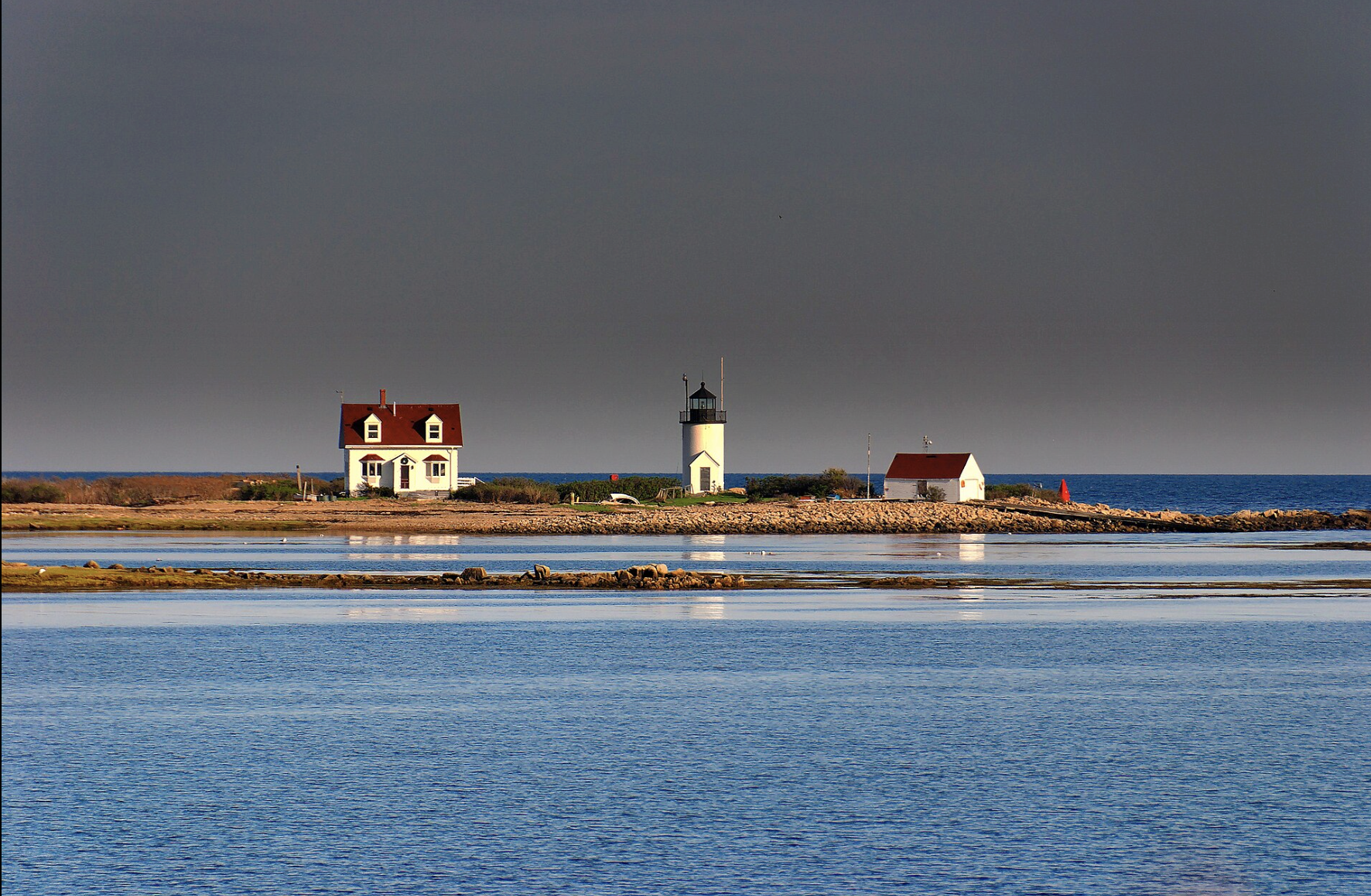
Standing on the harbor today, with lobster boats moving across the water and Goat Island on the horizon, it is difficult to picture the smoke and gunfire of that August morning. Yet the battle reminds us that Maine’s coastline was shaped not only by commerce and fishing, but also by war.
Conflicts with Britain continued long after the Revolution. Three decades later, the British occupation of eastern Maine during the War of 1812 exposed the vulnerability of the District of Maine and helped fuel growing support for separation from Massachusetts. Many historians view the events of 1814 as a key factor propelling Maine toward statehood in 1820.