By any commercial measure, Scream 7 is a success. The film has crossed the $200 million mark worldwide, becoming one of the franchise’s biggest performers. In Hollywood, that qualifies as a victory.
And yet watching it raises a far more damning question: what exactly is left of the thing that made us care in the first place?
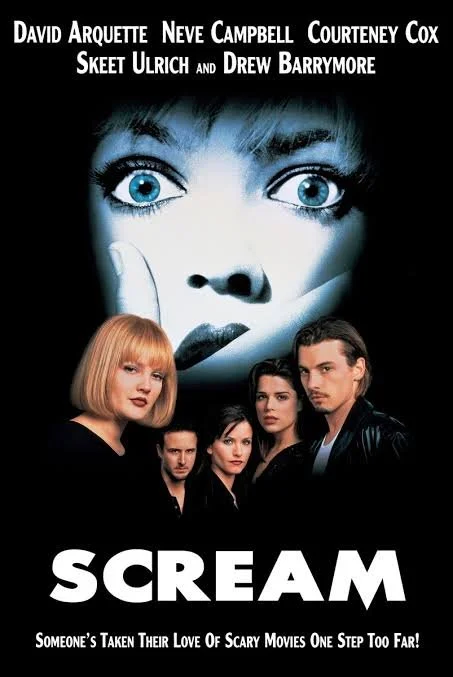
When Wes Craven and Kevin Williamson released Scream in 1996, they didn’t just make a slasher—they eviscerated the genre with surgical precision. It was funny because it was smart, literate, and vicious. It understood horror history without ever forgetting that horror lives and dies on fear. The characters—Sidney Prescott, Tatum Riley, even the unhinged killers—felt like real people trapped in a nightmare, not mouthpieces for quips.
Thirty years later, the franchise is still desperately performing that same postmodern trick. The problem is that the trick has calcified into a tired, self-satisfied formula.
The new generation of characters aren’t people—they’re carefully curated avatars: sarcastic, hyper-aware, and insufferable. They know exactly what kind of movie they’re in, and the film never shuts up about it. The result is an alienating emotional void. These characters have attitude but zero soul. You feel nothing when they die. And I guarantee none of these actors will be headlining legacy sequels in 30 years.
The original Scream understood that irony only works when there are genuine stakes underneath it. The jokes landed because the danger felt real. The deaths hurt because you cared about the victims. Strip away that foundation and the self-referential humor stops being satire. It becomes a desperate franchise trying to convince you it’s still in on the joke.
Neve Campbell’s return as Sidney Prescott should have carried real weight. Sidney remains one of horror’s greatest survivors—a character forged in vulnerability, terror, and raw resilience. Instead, Scream 7 reduces her to a calmer, more “therapized” figure managing her trauma over a latte. The survivor instinct is gone. What’s left feels like legacy-brand maintenance.
The film’s bigger failure is mistaking modern gimmicks for actual suspense. Like so many recent horrors, it reaches for technology—phones, cameras, surveillance, deepfakes—as the new source of fear. But great horror has always been elemental: a shadow in the hallway, a creak on the stairs, the primal dread of something unseen. A knife in the dark still terrifies. A push notification never will.
Here’s the deepest cut: Scream was originally a movie about the exhaustion of a genre. It arrived when slashers had grown stale and made them thrilling again. Now it’s hopelessly trapped in the exact cycle it once mocked—rebooting, referencing, expanding, and over-explaining its own mythology until the spark is extinguished.
Worse, it displays a staggering arrogance about its own importance. Audiences could casually reference the archives of Halloween or A Nightmare on Elm Street because those films were good—iconic, rewatchable, and culturally embedded. It is profoundly narcissistic to assume anyone has, or wants, that level of forensic knowledge of the Scream franchise. Jessica’s motive in Scream 7—the obsessive neighbor who read Sidney’s book from Scream 4, got mad that Sidney sat out Scream 6, and decided to force a new “Final Girl” arc—doesn’t land as clever. It lands as homework. If your big reveal requires a flowchart of previous entries, you haven’t earned it.
The early films worked because the actors sold the absurdity while still respecting the danger. They joked about the rules because they believed in the horror. Here, the dialogue chases trendiness and edginess with exhausting profanity, mistaking loud for sharp. Restraint would have been far more powerful.
Most frustratingly, Scream 7 doubles down on modern horror’s worst habit: turning every conflict into a therapy session about trauma. Horror used to force characters to face monsters. Now the monster is the conversation about feelings. The result is a movie that can recite Scream history chapter and verse but has completely lost its spirit. It feels like it was written by AI—or worse, by people so thoroughly medicalized they no longer know how to capture raw human emotion, a basic requirement for any writing team.
The original was fearless: it mocked the genre while clearly loving it. Scream 7 feels like a franchise that’s stared at its own ghostly reflection for far too long.